Why visit Darjeeling
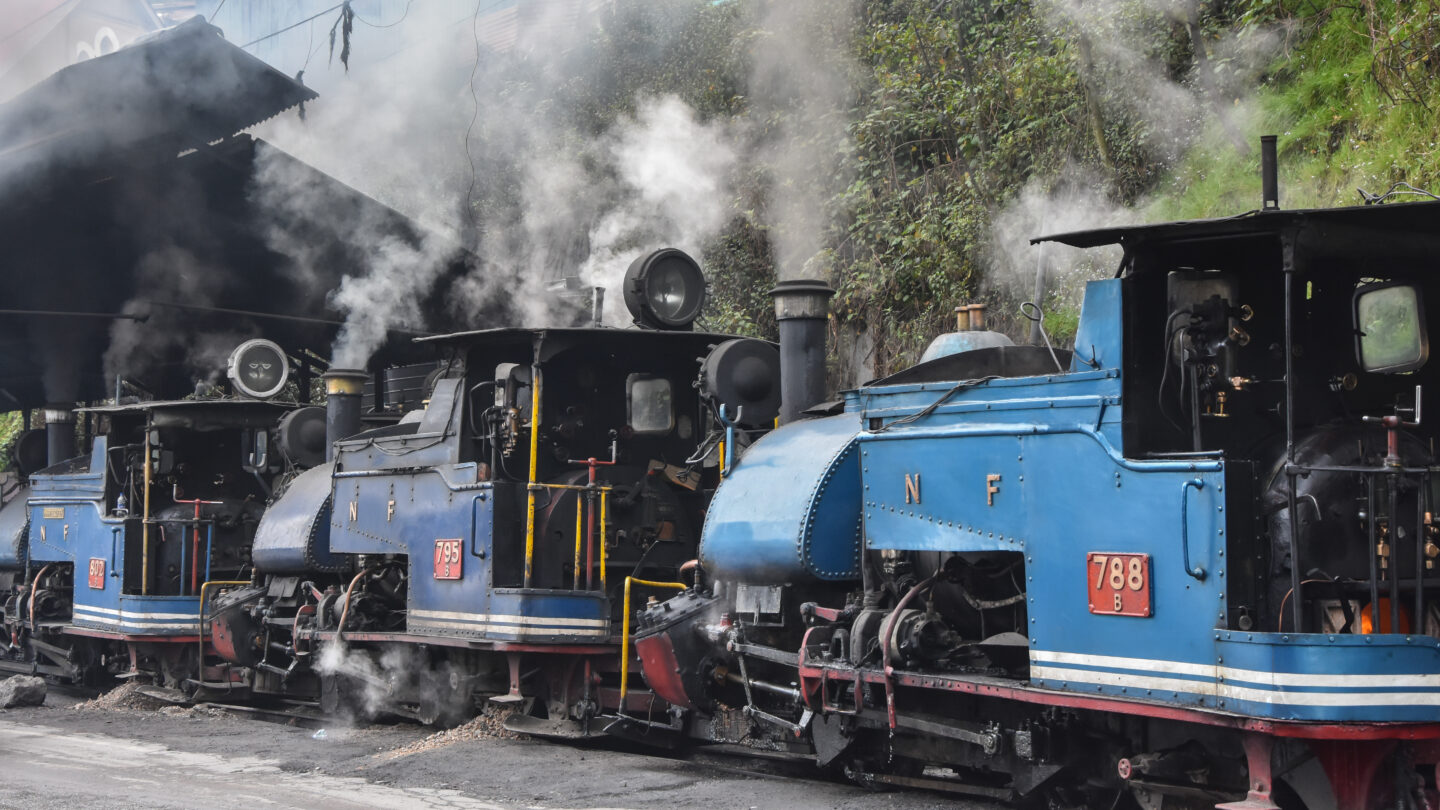
Darjeeling is a hill town in West Bengal, famous for its tea and for views of Kanchenjunga, the third highest mountain in the world. Tea estates cover the surrounding slopes, and you can visit factories and taste the different harvests. The Darjeeling Himalayan Railway, a UNESCO World Heritage Site, runs a narrow-gauge line to the town. Other sights in this Darjeeling travel
guide include Tiger Hill, known for sunrise views on clear days, the Himalayan Mountaineering Institute, Batasia Loop and monasteries such as the one at Ghum.
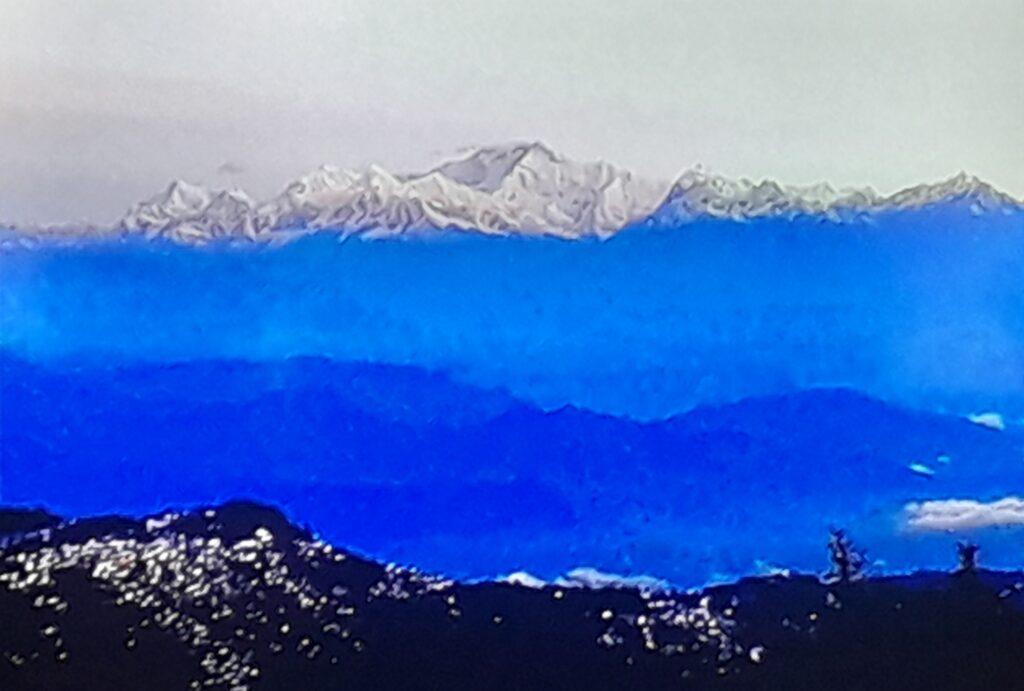
Darjeeling is not a town you rush. It sits at about 2,000 metres, and the weather decides what you see. On a clear morning, Kanchenjunga fills the horizon. On a cloudy one, the town itself — the Mall, the markets and the monasteries — is the day’s plan instead. Build in a spare morning for the mountain, and do not plan the whole trip around a single sunrise. Two to three nights is enough to see the main sights. The town is steep, so expect stairs, and carry warm clothing for evenings even outside winter.
The main bases and what each is for
Darjeeling town and the Mall is the main base, with hotels, restaurants and viewing areas. Stay here on a first visit: Chowrasta, the Mall, the markets and the toy-train station are close on foot, and the jeeps for Tiger Hill leave from here. Tiger Hill and Observatory Hill are early-morning viewpoints, not places to stay. Batasia Loop and the toy train are the narrow-gauge railway, with a scenic loop and war memorial. Tea estates near town allow short visits and tastings, and some offer longer stays; a tea-estate stay suits a second or third night. Kalimpong and Mirik are quieter hill towns nearby for a slower stay or an extra day.
When to go: the best time to visit Darjeeling
March to May and October to November offer the clearest views and mild weather. The monsoon, roughly June to September, brings heavy rain, mist and landslides. Winter, December to February, is cold, with good clarity on some days. October and November are clearest but busiest, so book early. March to May is spring flush tea season. In the monsoon, allow extra days.
How many days do you need in Darjeeling?
Two to three days covers the town, sunrise, the toy train and a tea estate. Add time for Sikkim or Kalimpong. One day is a rush, and you miss the toy train and the museum. Two days is the usual plan: day one is Tiger Hill, Ghum Monastery and Batasia Loop, then the institute and the zoo; day two is the toy train, a tea estate, and the Mall in the evening. Three days is comfortable, with a spare morning for Kanchenjunga and time for Kalimpong or Mirik.
Getting to Darjeeling
Darjeeling has no airport or main-line station of its own. Everyone comes up from the plains around Siliguri, about 70 km below, via Bagdogra Airport or New Jalpaiguri (NJP) station, then a shared jeep, a reserved car, or the toy train. The nearest airport is Bagdogra, about 70 km away, a 3 to 3.5 hour drive, with flights from Kolkata, Delhi, Mumbai, Bengaluru and other Indian cities. From the airport, take a prepaid taxi or a reserved car, or take a taxi into Siliguri first for a shared jeep. The nearest main railway station is New Jalpaiguri, about 3 to 3.5 hours by road; overnight trains from Kolkata arrive in the early morning. The toy train from NJP takes about seven to eight hours, when it runs, so most visitors drive up and ride the joy ride instead. See the Sikkim guide and our notes on North Sikkim permits.
Getting around Darjeeling
Darjeeling town is walkable, but steep. The Mall, the markets and the toy-train station are within walking distance. For sights outside town, take a shared or private jeep, usually hired for the morning tour — Tiger Hill at dawn, then Ghum and Batasia Loop on the way back. Book the Tiger Hill car the evening before.
Where to stay in Darjeeling
Stay in Darjeeling town, near the Mall or Chowrasta, on a first visit — within walking distance of the restaurants, markets and toy-train station. Ask how far your hotel is from the Mall on foot before you book. A mountain-view room is worth asking for, but not a large premium, because the view depends on the weather. A tea-estate stay suits a second or third night. This guide does not name hotels or give hotel prices, because both change.
How much does a Darjeeling trip cost?
Use the budget calculator further down this page to estimate costs for your own travel month and style. As a rough guide, the existing figures on this page are ₹1,700+ per person per day for a backpacker, and ₹3,300–₹6,700 per person per day for a mid-range trip. Check current prices before you travel. A backpacker day is a shared jeep, a simple hotel near the Mall, local meals, and the morning tour shared with other travellers. A mid-range day is a reserved car, a comfortable hotel, a toy-train ride, a tea-estate visit, and restaurant meals. Book the toy train as soon as you know your dates, and check the fare on IRCTC first.
Top sights in Darjeeling
Tiger Hill is about 11 km from town, and visitors leave at about 3:30 to 4 am to watch the first light turn Kanchenjunga from pink to gold. On very clear days, Everest is visible far to the west. Dress warmly, expect crowds, and give yourself a spare morning; clear views are most likely from October to December. Batasia Loop is a spiral of track below Ghum, where the toy train loops around a garden, with the Gorkha War Memorial at its centre.
The Darjeeling Himalayan Railway, the toy train, is a UNESCO World Heritage Site, listed in 1999. The line opened in 1881, it is about 88 km from New Jalpaiguri to Darjeeling, and it climbs to Ghum, at 2,258 metres, the highest station on the line. Most visitors take the joy ride, a round trip from Darjeeling to Ghum and back, in about two hours, with a stop at Batasia Loop and about half an hour at Ghum for the railway museum. Check the timetable on IRCTC and book early. The Himalayan Mountaineering Institute and the Padmaja Naidu Himalayan Zoological Park share a complex in town. The institute was founded in 1954, the year after Everest was first climbed, with Tenzing Norgay as its first director of field training. The zoo is known for red pandas and snow leopards. Allow an hour or two, and check the closing day before you go.
Tea estates are the other Darjeeling visitors miss if they only do the sunrise and the train. Happy Valley Tea Estate, about 3 km from town, is the easiest to visit. Buy tea from reputable estates or shops, and ask about the harvest and grade; we have not verified visiting hours, so ask in town. Ghum Monastery (Yiga Choeling) is one of the oldest monasteries in the hills, the Japanese Peace Pagoda is a calm afternoon walk, and Chowrasta and the Mall are the centre of town.
What to eat in Darjeeling
Darjeeling food is a mix of Nepali, Tibetan, Bengali and Anglo-Indian cooking. Start with momos, the steamed dumplings sold everywhere, and thukpa, the noodle soup for a cold evening. Try the local tea at a tea shop on the Mall. If you have a sensitive stomach, eat at busy places and drink bottled water. Buy tea to take home: first flush in spring is light and floral, second flush in summer is stronger, and autumnal tea is milder.
Safety and practical tips for Darjeeling
Darjeeling is a relaxed town, and the main risks are the weather, the roads and the altitude, not crime. The town is steep, so take the stairs slowly and carry warm clothing for evenings even outside winter. The altitude is about 2,000 metres — take the first day gently, with plenty of water. In the monsoon, roughly June to September, allow extra days and check road conditions each morning. In winter, Tiger Hill before dawn is colder still, so take a jacket, gloves and a hat. Carry some cash, because small shops and shared jeeps may not take cards. For health and insurance, see our India travel insurance guide and our notes on vaccinations and health prep.
Nearby: Gangtok, Kalimpong and Mirik
Darjeeling is a good base for onward travel to Sikkim, and the usual next stop is Gangtok, about four hours by road. It can be blocked by landslides in the monsoon, so check conditions and book transport ahead. If you are going into North Sikkim, you will need a permit — see our North Sikkim permit guide and the Gurudongmar Lake permit notes first. Kalimpong is about 2.5 hours by road and works as a one-night add-on. Mirik, under three hours by road, suits a day trip or a single quiet night.
Frequently asked questions
How many days do you need in Darjeeling?
Two to three days covers the town, sunrise, the toy train and a tea estate. Add time if you are continuing to Sikkim or Kalimpong. Three days is comfortable, with a spare morning for Kanchenjunga if the first one is cloudy.
Will I see Kanchenjunga?
Only if the sky is clear. Mornings give the best chance, but cloud and haze are common, especially in the monsoon. The clearest months are October to December. Give yourself a spare morning.
How do I get from Darjeeling to Gangtok?
By road, usually in a shared or private jeep, about four hours. Check road conditions and book transport ahead. If you are continuing into North Sikkim, check the permit rules first.
Is Darjeeling suitable for families?
Yes. The pace is relaxed, but the hills and steep streets can be tiring for small children and older travellers. Take three days instead of two, and stay near the Mall. The zoo, the toy train and a tea estate are the parts children usually enjoy most.
When is the best time to visit Darjeeling?
March to May and October to November. October and November give the clearest mountain views, and March to May is spring flush tea season. December to February is cold but quiet, and June to September is the monsoon.
How do I get to Darjeeling from Bagdogra or NJP?
Fly to Bagdogra Airport, or take a train to New Jalpaiguri (NJP), both near Siliguri, about 70 km from Darjeeling. From either, take a shared jeep or a reserved car up the hill, in about 3 to 3.5 hours.
How do I book the Darjeeling toy train?
Book the joy ride on IRCTC, from Darjeeling station (DJ) to Darjeeling (DJRZ), or at the station counter. It is a round trip from Darjeeling to Ghum and back, in about two hours. Book early in busy weeks, and check the current fare and timetable on IRCTC first.
How much does a Darjeeling trip cost per day?
As a rough guide, ₹1,700+ per person per day for a backpacker, and ₹3,300–₹6,700 per person per day for a mid-range trip, using the existing figures on this page. Check current prices before you travel.
Where should I stay in Darjeeling?
In Darjeeling town, near the Mall or Chowrasta, if this is your first visit. That puts you within walking distance of the restaurants, the markets, the toy-train station and the transport for Tiger Hill. A tea-estate stay suits a second or third night.
Is Darjeeling safe for first-time visitors to India?
Yes, for most travellers, with the usual care. The town is relaxed, the main risks are the weather, the roads and the steep streets, not crime. Carry some cash, drink bottled water, eat at busy places, and allow extra time in the monsoon.
October–November gives the clearest Kanchenjunga views. March–May is spring flush tea season.
- Best time
- March, April, May, October, November
- Also okay
- January, February, September, December
- Trip style
- Hills & mountains
- Daily budget (per person)
- ₹1,700+ backpacker · ₹3,300–₹6,700 mid-range