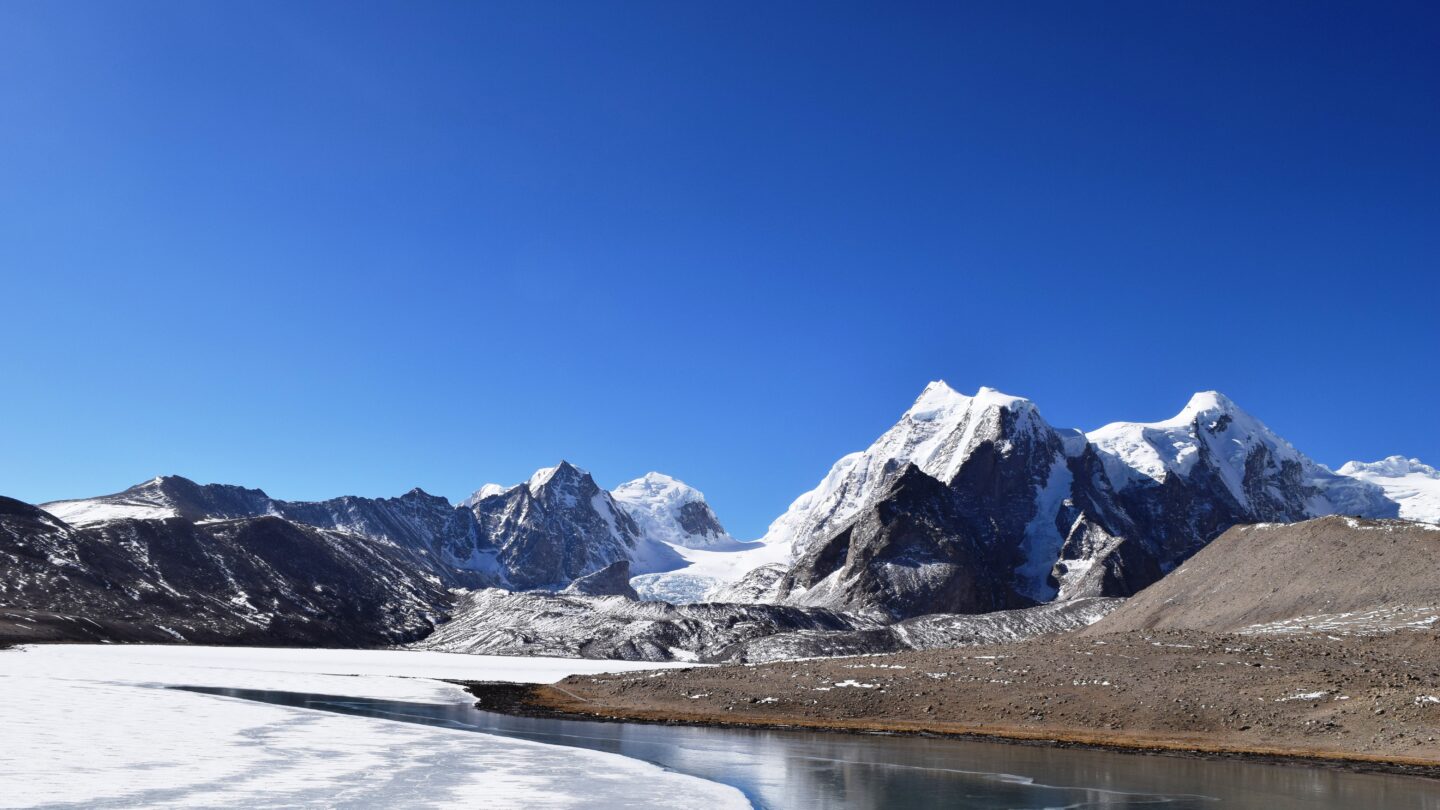
Why visit Sikkim
Sikkim is a small Himalayan state between Nepal, Bhutan and Tibet, with some of the most dramatic mountain scenery in India. Kanchenjunga dominates the western skyline, and the state is known for its Buddhist monasteries, rhododendron forests, alpine lakes and cardamom-scented valleys. Gangtok, the capital, is the usual base, with Rumtek Monastery nearby, while Pelling and Ravangla offer quieter mountain views and walks.
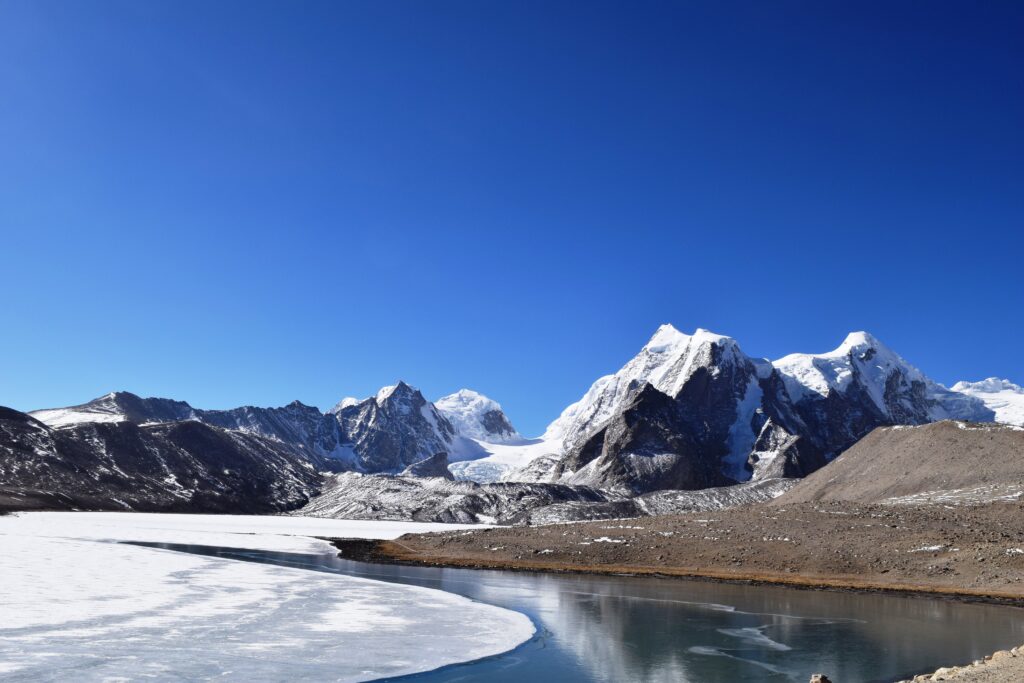
Distances look short on the map, but roads are steep and prone to landslides, so allow generous travel time. Many northern routes need special permits, and the rules differ for foreign and Indian visitors, so always confirm details before you set a date.
Sikkim rewards a longer stay, and a week lets you see Gangtok plus one or two mountain regions without rushing. Local food includes momos and thukpa, and homestays are a good way to meet families and learn about local culture. Respect monastery rules, and ask before photographing people or ceremonies. Pack warm layers, rain protection and any medication you need, because pharmacies and clinics can be far apart in the mountains. Mobile coverage is patchy in remote valleys, so download maps and confirm your hotel bookings before you leave town.
Where to base yourself
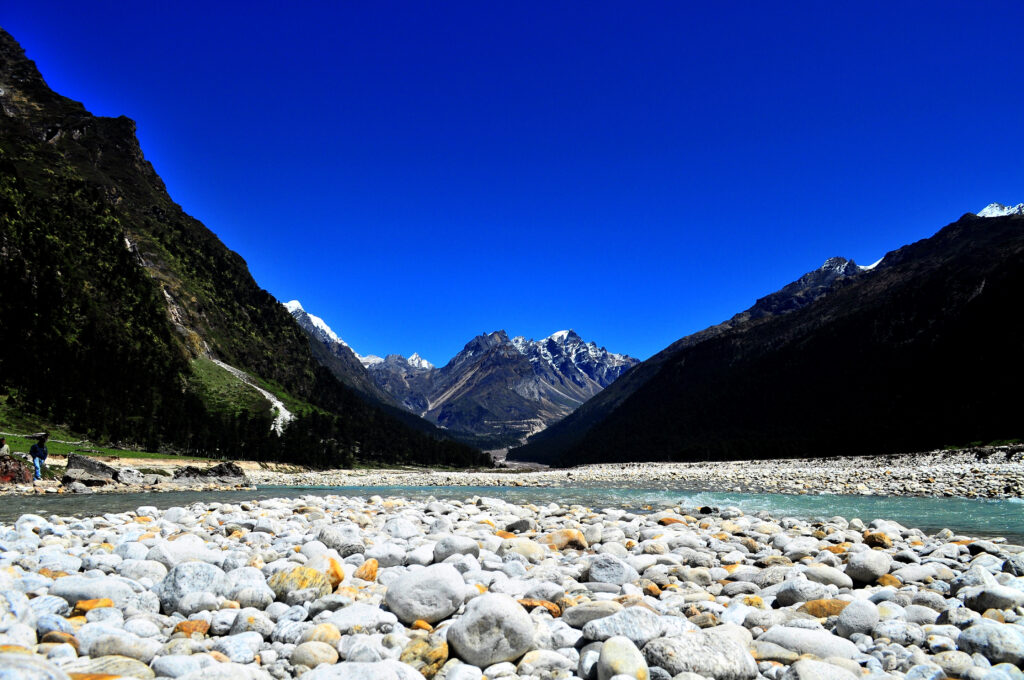
Gangtok is the capital and the logical first base, with markets, cafes and day trips to Rumtek Monastery and Tsomgo Lake. Pelling in West Sikkim looks across to Kanchenjunga and is close to monasteries and waterfalls. Ravangla and nearby Namchi are calmer, with views over the southern ranges. Lachung and Lachen in North Sikkim are the gateways to Yumthang Valley and Gurudongmar Lake, and they are only reachable with the right permits.
Permits for the north
The state’s most scenic high-altitude areas are the ones with the strictest access rules. Read our guides to the North Sikkim permit, the Gurudongmar Lake permit and Yumthang Valley for foreign visitors before choosing dates. Use the Northeast India permit checker to build a checklist for your route.
Roads and timing
Sikkim’s roads climb steeply and slip in heavy rain, so a short distance can take most of a day. Build in spare days at each end of the trip, and avoid scheduling a flight on the day you drive down from the mountains. The high-altitude north also brings altitude effects, so go up gradually.
Sikkim travel questions
How many days do you need in Sikkim?
Five to seven days lets you see Gangtok and one mountain region, such as Pelling or Ravangla, without rushing. Add more days if you plan a trip to North Sikkim, because the roads are slow and permit-dependent.
What is the best time to visit Sikkim?
Spring, roughly March to May, brings rhododendron blooms, and autumn, roughly October and November, often gives the clearest mountain views. The monsoon brings heavy rain and landslide risk on many roads.
How do you reach Sikkim?
The nearest major airport is Bagdogra in West Bengal, and Pakyong airport lies close to Gangtok. New Jalpaiguri is the main railhead. From either gateway, Gangtok is a road journey of several hours.
Do foreigners need a permit for Sikkim?
Foreign visitors need a permit for the state, and North Sikkim areas such as Yumthang and Gurudongmar have their own requirements and are usually arranged through a registered operator. Rules change, so confirm them before you book.
Is Nathu La open to foreign visitors?
No. Nathu La is a border pass that is open only to Indian citizens, and even they need a permit arranged in advance.
Planning your Sikkim trip
- Permits: read our North Sikkim permit guide for Lachen, Lachung and Yumthang.
- Season: spring brings rhododendrons and autumn brings clear skies, as the notes above show.
- Sikkim pairs well with Darjeeling, about 60 km away by road.
- Mountain weather changes fast, so keep spare days in your itinerary.
Use the budget calculator further down this page to estimate costs for your own travel month and style.
March–May for rhododendrons, October–December for clear skies. Some areas such as North Sikkim need permits.
- Best time
- March, April, May, October, November
- Also okay
- January, February, September, December
- Trip style
- Hills & mountains
- Daily budget (per person)
- ₹1,900+ backpacker · ₹3,600–₹7,400 mid-range
Month-by-month weather guide for Sikkim
Festivals and events
- February: Losar (Feb/Mar)
Festival dates often follow the lunar calendar and change every year. Confirm before booking.
Sikkim travel guides
- Gurudongmar Lake Permit 2026: Who Can Go and How to Get It
- Yumthang Valley for Foreigners: Permit, Cost and Best Time (2026)
- North Sikkim Permit: How to Get a PAP for Lachen, Lachung and Yumthang
Estimate your Sikkim trip cost
Sikkim trip budget calculator
Nearby destinations
- Darjeeling about 98-100 km by road
- Meghalaya about 633-640 km by road
- Kolkata about 660 km by road
For protected destinations and other restricted routes, use the Northeast India permit checker as a planning checklist, then confirm exact Sikkim route permissions through the official authority.